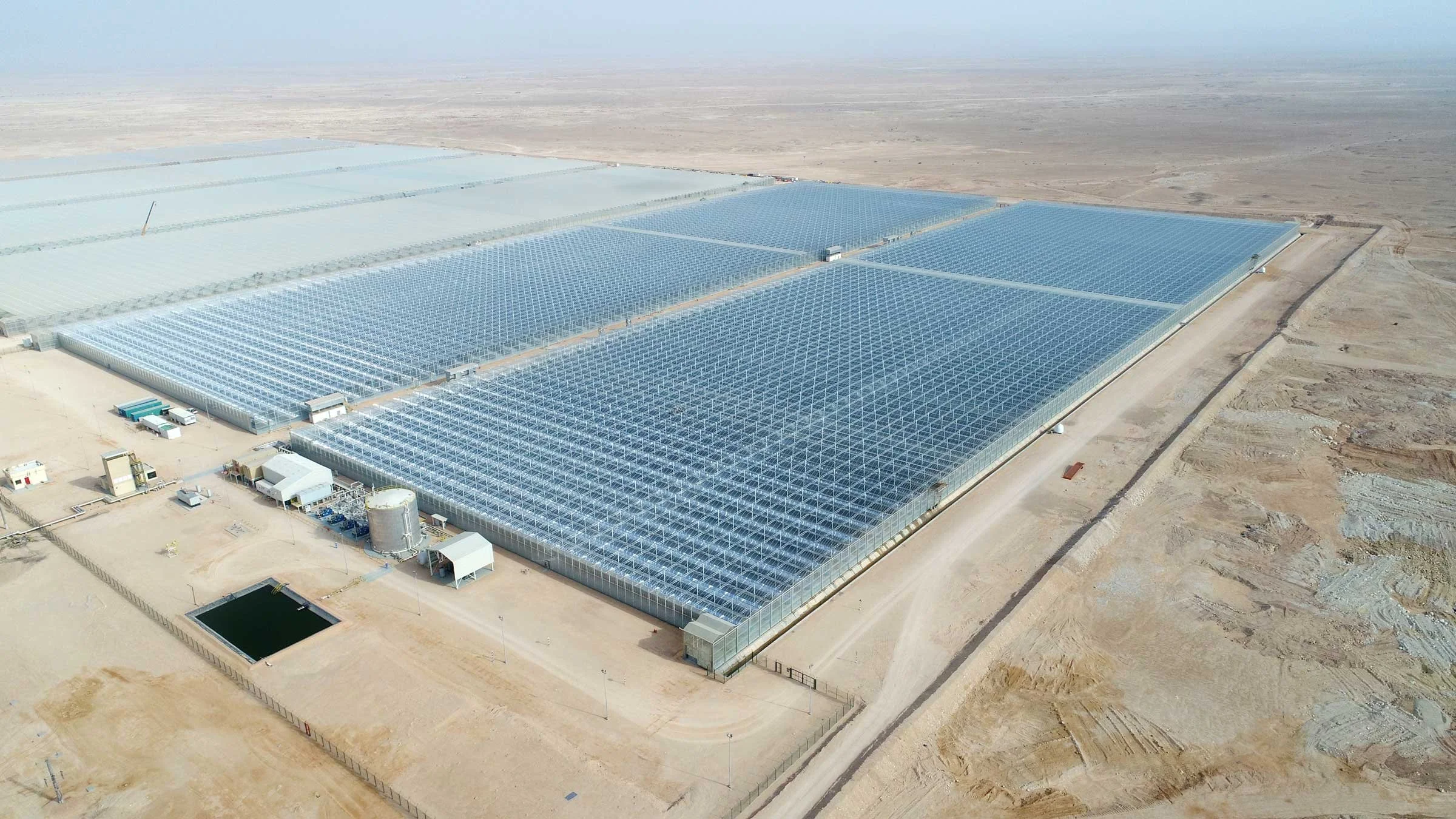
PILOT
Amal I
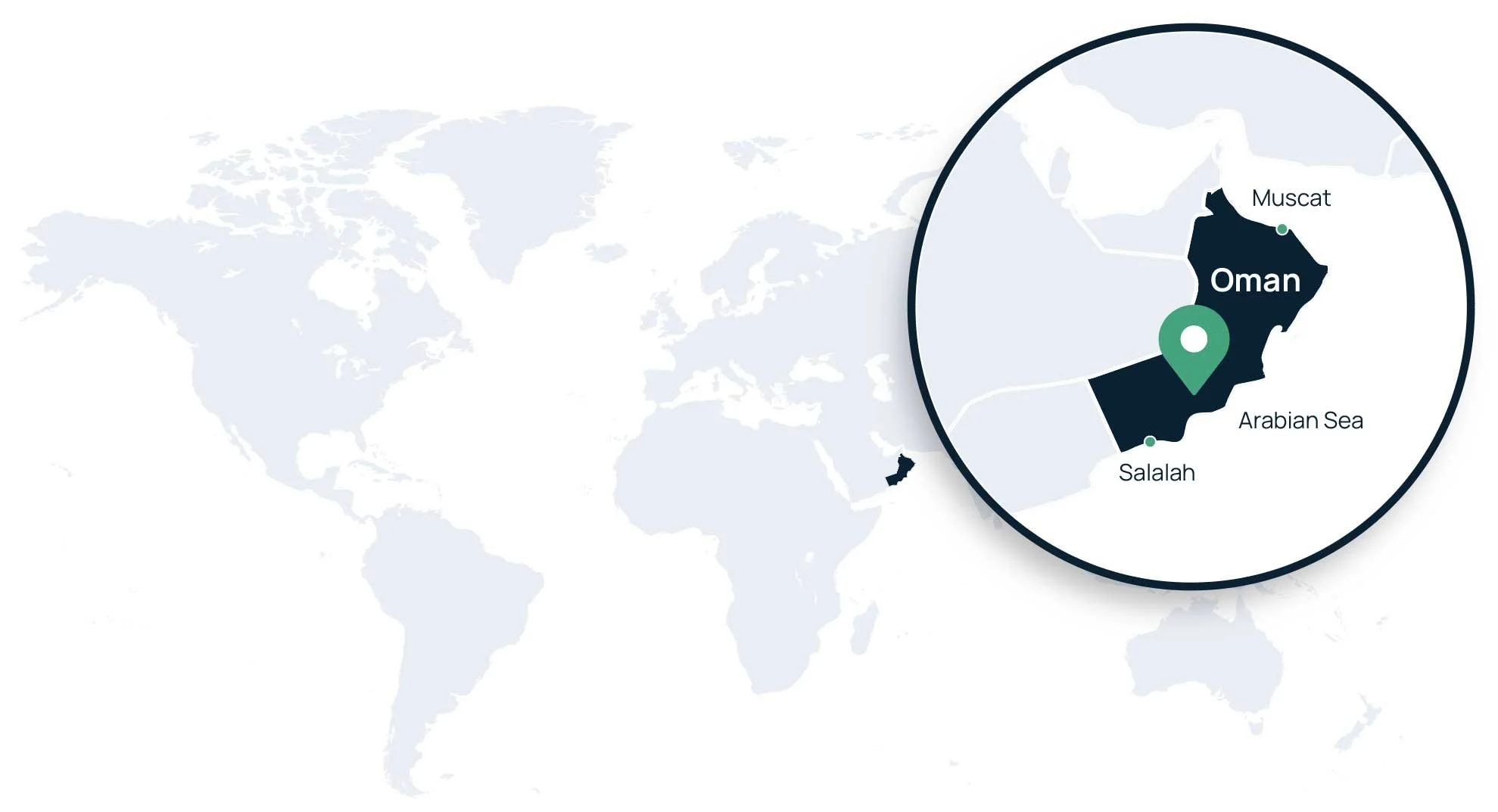
Oman
Steam for EOR at the Amal Oil Field
PEAK OUTPUT
7 MW Thermal
DAILY STEAM OUTPUT
50 Tons
ENERGY OUTPUT
12 GWh/year
CO2 AVOIDED
2,514 t/yr
GAS SAVED
47,437 MMBtu/yr
Bringing solar-powered oil production to life with PDO in Oman
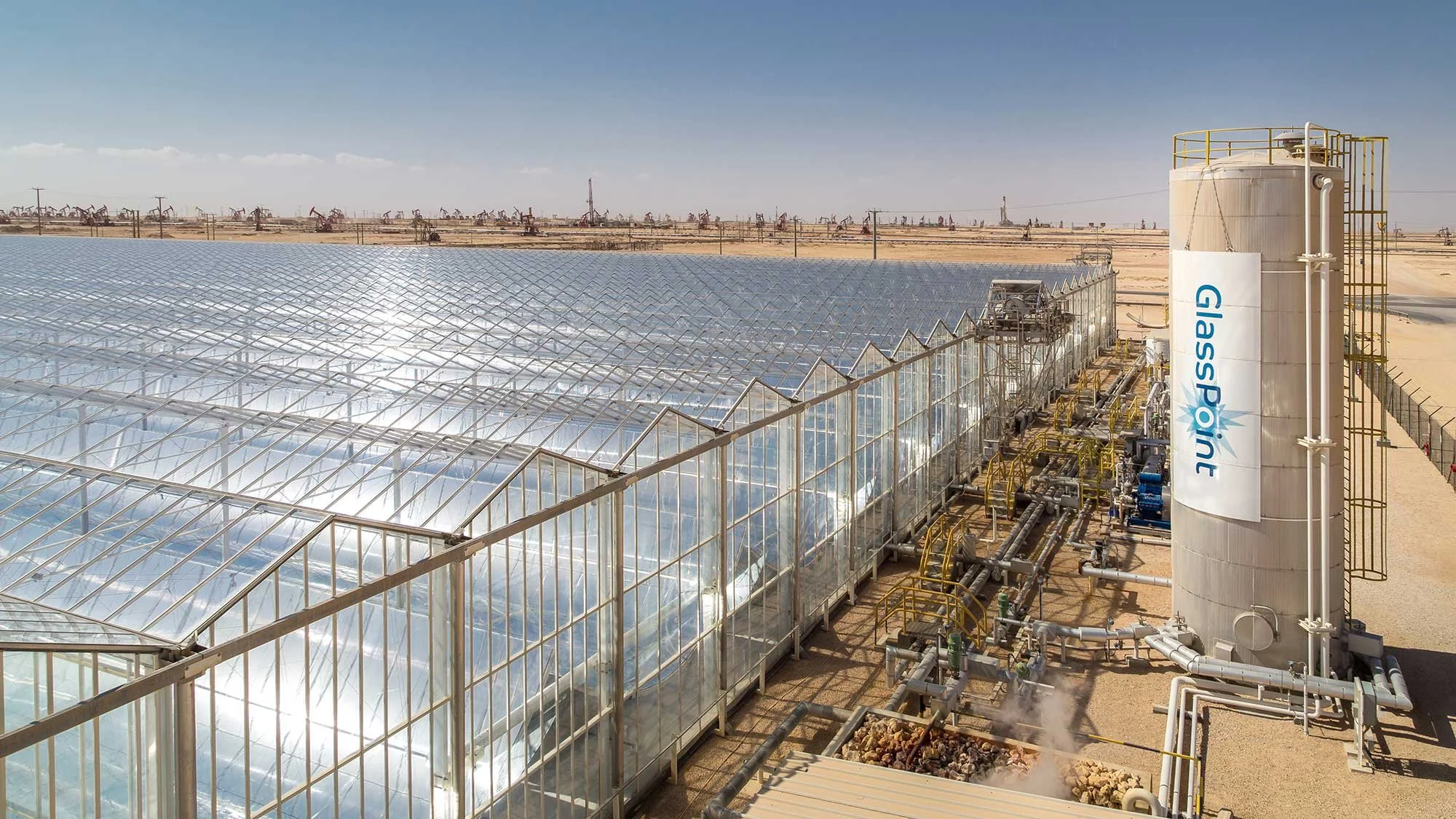
The Sultanate of Oman has oil reserves underground and some of the world’s best solar energy overhead. Petroleum Development Oman (PDO), Oman’s largest producer of oil and gas, saw an opportunity to integrate these valuable energy resources. PDO partnered with GlassPoint to bring solar-powered oil production to life.
Extending the Life of Oman’s Oilfields
PDO is a world leader in innovative enhanced oil recovery (EOR) technologies. Over the past three decades, PDO has pioneered a range of advanced techniques, including steam injection, gas injection and polymer flooding. Deploying EOR has successfully increased Oman’s oil production and contributed to the growth of the Omani economy.
Harnessing the Sun to Produce More Oil
In thermal EOR—the most widely used method of EOR—steam is injected into a reservoir to heat the oil and make it easier to pump to the surface. Steam injection increases the rate of oil production and can also add years to the economic life of an oilfield. However, thermal EOR requires an enormous amount of natural gas to produce the necessary steam. Today, thermal EOR consumes a significant portion of Oman’s natural gas supply.
PDO realized that using solar energy for EOR would increase heavy oil production and conserve Oman’s natural gas resources. The natural gas saved can then be applied to higher-value uses within the Sultanate, such as industrial development.
PEAK OUTPUT
7 MW Thermal
ENERGY OUTPUT
12 GWh/year
DAILY STEAM OUTPUT
50 Tons
Solar Field Area: 17,280 m2
Total Project Area: 46,200 m2
Technology: GlassPoint Enclosed Trough
Greenhouse Blocks: 1
Construction Start: 2011
First Steam: 2012
Gas Savings: 47,437 Million Btus Per Year
CO2 Emissions Saved: 2,514 Tons Per Year

“The solar steam pilot was extremely successful. It exceeded our expectations not just in terms of the effective and efficient delivery of quality solar steam, but also in terms of reliability and operability.”
RAOUL RESTUCCI
PDO Managing Director
Partnering for success
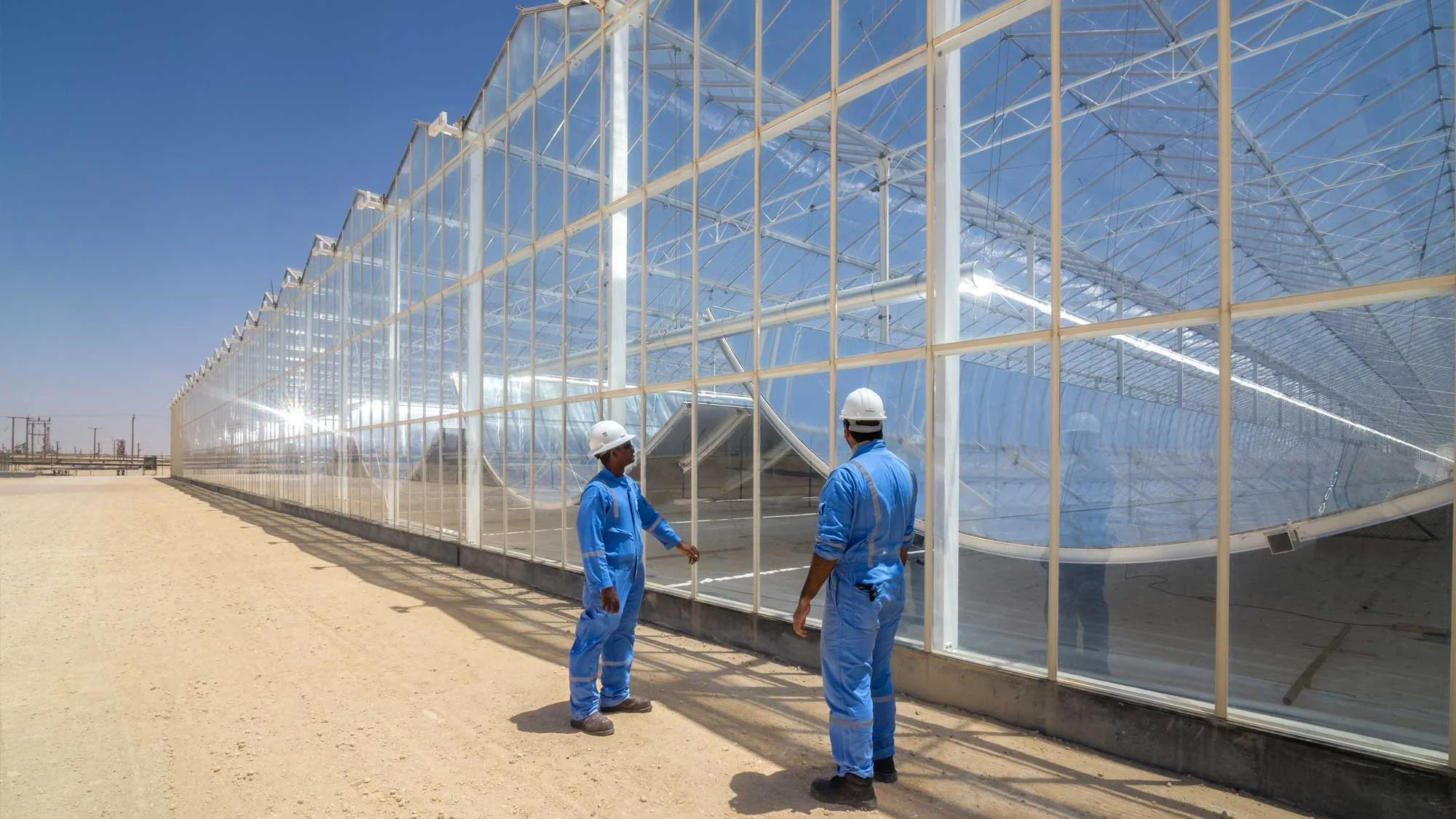
After an extensive evaluation of solar thermal technologies, PDO selected GlassPoint’s enclosed trough solar steam generator for its significantly lower capital and operating costs. The system was also designed for easy oilfield integration and complied with the company’s stringent Health, Safety and Environmental (HSE) standards.
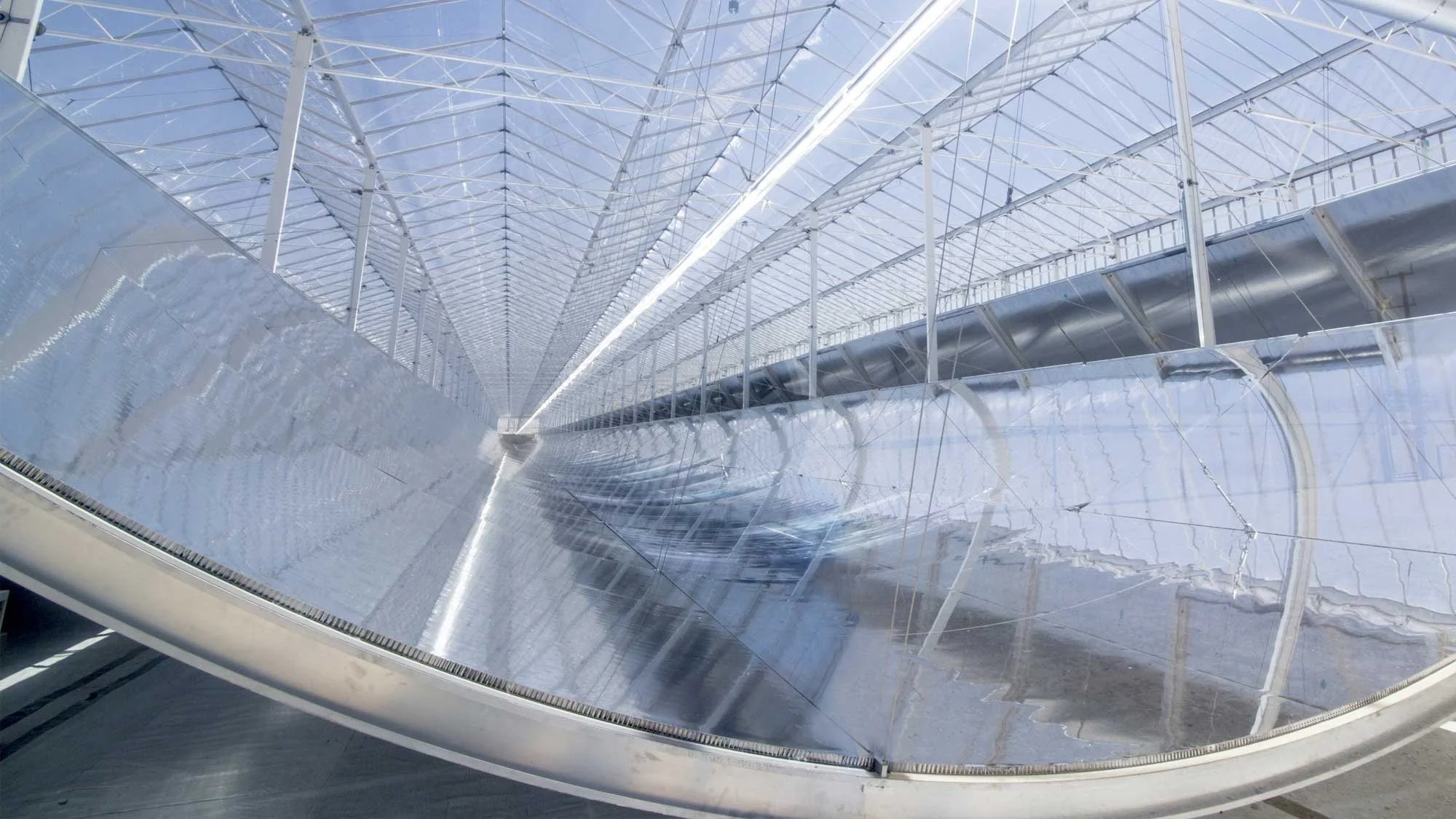
The enclosed trough steam generator protects the solar collectors within an agricultural glasshouse. The structure prevents wind, sand and humidity from interfering with operations and dramatically reduces costs. An automated washing system is deployed each night to restore performance. The robotic washer eliminates the need for manual cleaning and minimizes water use, a scarce resource in desert environments.
Furthermore, the GlassPoint steam generator conforms to oilfield best practices. It’s designed as a once-through steam generator (OTSG), using the same oilfield water as the gas-fired steam generators currently installed at PDO’s Amal West field.
On time, on budget, exceeding performance.
The 7MWth pilot began producing steam in December 2012 on budget and on schedule. It was constructed safely with zero lost-time injuries (LTI) and continues to maintain this strong safety track record. The system passed the first performance acceptance test in January 2013, exceeding contract performance by 10%.
The pilot is operating successfully, producing an average of 50 tons of emissions-free steam per day. The solar steam is fed directly to PDO’s existing steam distribution network, helping facilitate oil production and reducing gas use.
The pilot has achieved above 98% uptime, maintaining regular operations even during severe dust and sand storms. The success of the pilot is now paving the way for larger solar EOR projects in Oman and the rest of the Gulf region.