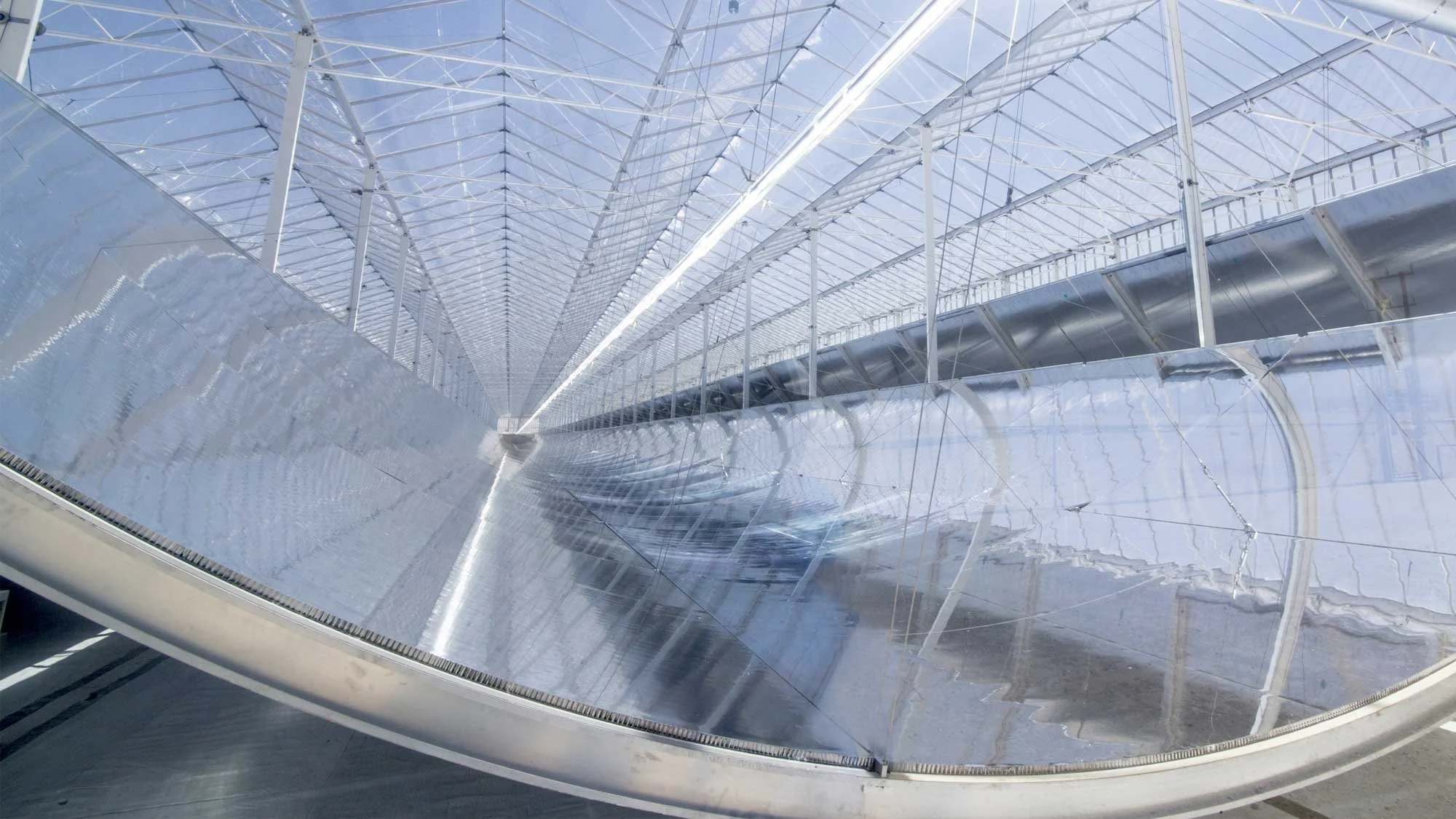
WHY INDUSTRY CHOOSES GLASSPOINT
Superior economics, energy security, proven at scale.
Decarbonized by design.
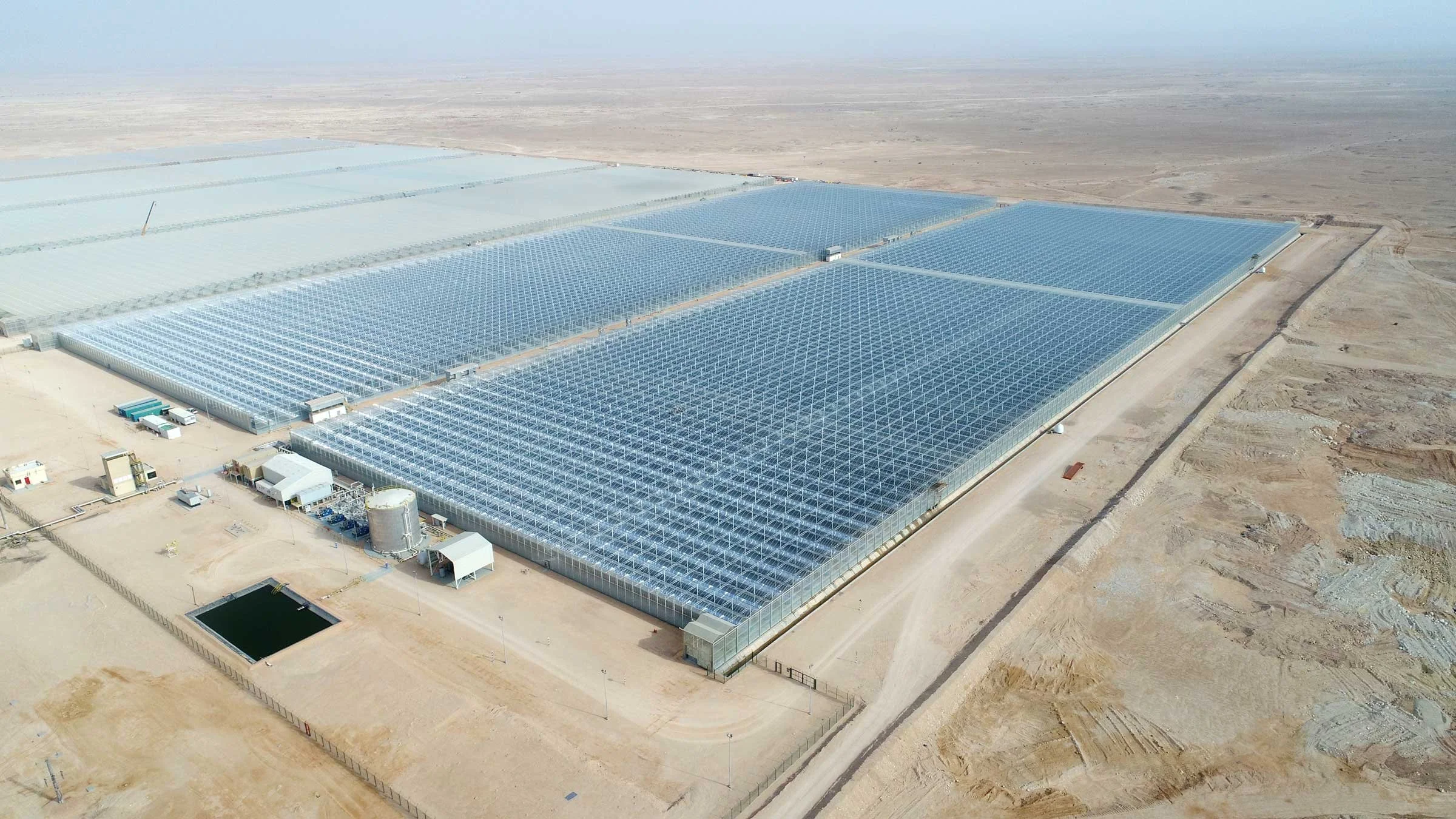
SUPERIOR ECONOMICS
Lower cost heat. Higher economic value.
In sunny locations, GlassPoint delivers heat for less than the cost of generating it from natural gas, with no upfront capital investment required from customers.
Long-term price certainty. Pricing is established for the full term of the offtake agreement, protecting customers from fuel-price volatility.
Greater capacity for growth. Where gas supplies are constrained, solar steam enables customers to expand production without an additional gas allocation.
Higher-value use of national resources. Gas displaced by solar heat can be redirected to higher-value uses, including petrochemical production, power generation and LNG exports.
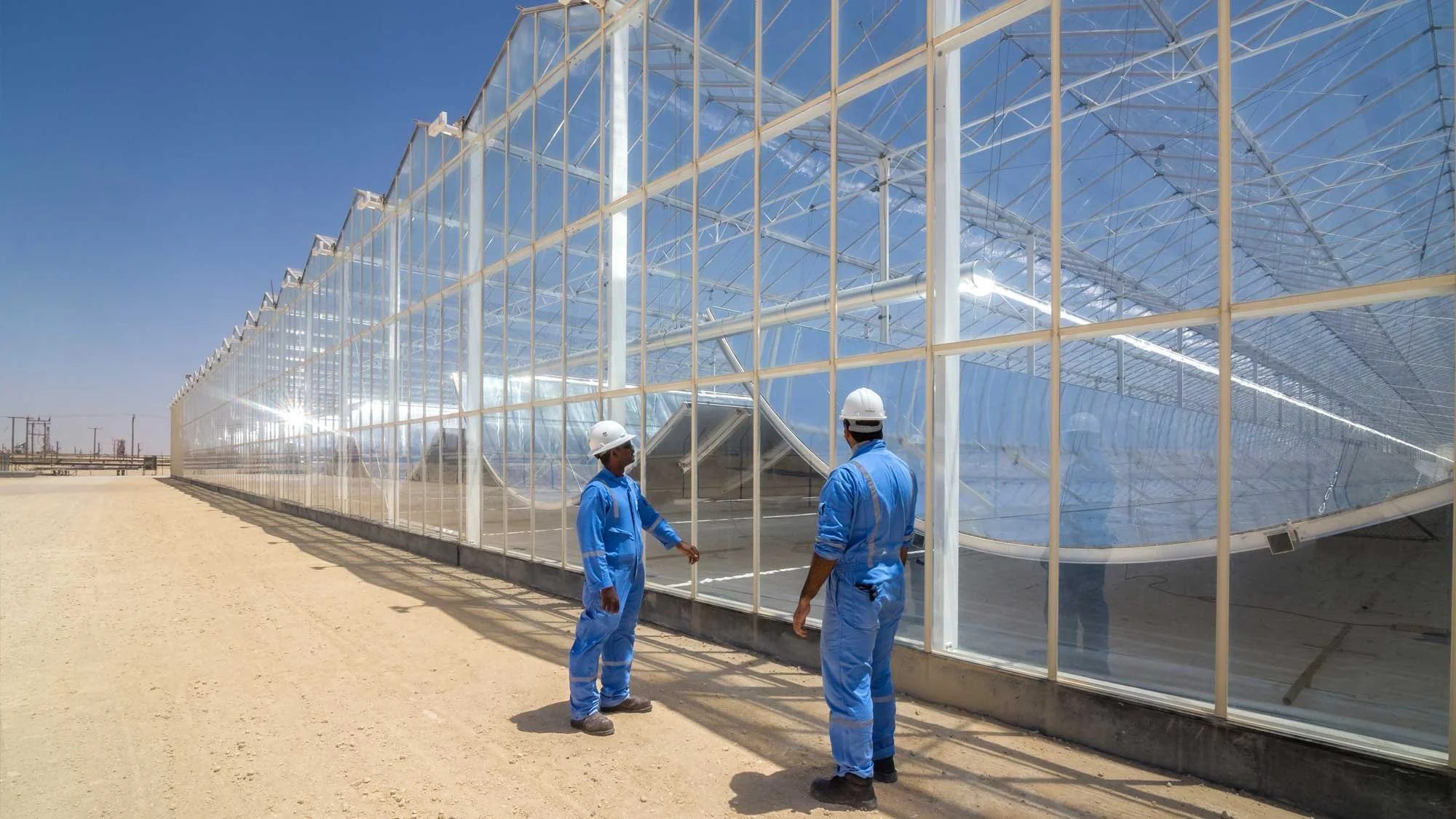
ENERGY SECURITY
Local energy. Global independence.
GlassPoint’s facilities capture sunlight locally and convert it directly into process heat reducing dependence on external fuel supplies and electricity networks.
Reduced exposure to fuel supply disruptions. Locally generated solar heat reduces reliance on fuel imports, pipelines and shipping routes, helping protect industrial operations from disruptions beyond the customer’s control.
Less dependence on grid capacity. Generating heat directly from sunlight provides a pathway to industrial decarbonization without relying on large increases in grid electricity supply.
Heat beyond daylight hours. GlassPoint’s integrated thermal storage enables energy collected during the day to be delivered as heat at night, supporting continuous industrial operations.
DECARBONIZED BY DESIGN
Lower emissions. Stronger market position.
By replacing fossil-fuel combustion with solar heat, GlassPoint facilities reduce annual fuel use for process heat generation by 50–80%, depending on location, weather and system design. This reduces emissions from industrial production without requiring customers to replace their existing manufacturing processes.
Lower-carbon products. Reducing emissions from process heat lowers the carbon footprint of manufactured products, helping customers meet buyers’ decarbonization requirements and compete in markets for lower-carbon materials.
Reduced exposure to carbon costs. Where carbon pricing applies, lower emissions can reduce the associated financial burden, strengthening the economics of industrial production.
Benefits beyond the facility. Lower fossil-fuel consumption reduces the upstream emissions associated with fuel extraction, processing and transport, including methane emissions from natural-gas supply chains.